
How to Make Beef Tallow at Home: A Simple Guide to Making Beef Tallow
In our quest for more sustainable and flavorful cooking, we often overlook one of the most valuable ingredients hiding in plain sight: beef fat. Instead of tossing those trimmings from your Brisket or steak, you can easily transform them into beef tallow.
Beef tallow is simply rendered beef fat. It’s a stable, natural cooking fat with a high smoke point (around 400°F/205°C), making it perfect for searing, frying, and roasting. It imparts a rich, savory flavor that you just can’t get from vegetable oils. Plus, making it at home is incredibly cost-effective and reduces kitchen waste.
Ready to turn your scraps into liquid gold? Here’s how.
What You’ll Need
Ingredients:
- Beef fat trimmings (from roasts, steaks, brisket, etc. You can also ask your butcher for fat scraps!)
Equipment:
- A large pot or Dutch oven
- Water
- A large, coarse strainer
- A fine-mesh strainer or several layers of cheesecloth
- Heat-proof jars (like Mason jars), silicone ice cube trays, or other storage containers
The Step-by-Step Process
This method uses water, which is a gentle way to render the fat without scorching it. It’s called “wet rendering,” and it produces a very clean, pure-white tallow.
Step 1: Prep the Fat
If your fat trimmings are in large pieces, chop them into smaller, 1-inch cubes. This increases the surface area and helps the fat render more evenly. Place all the chopped fat into your large pot.
Step 2: Add Water and Simmer
Pour enough water into the pot to cover at least half to three-quarters of the fat. Don’t worry about the water; it will all cook off by the end.
Place the pot on the stove over low heat. This is a “low and slow” process, so be patient. You’ll want to maintain a gentle simmer. Let it cook for several hours, stirring occasionally. You will see the fat melting away from the solid pieces and the water level slowly decreasing.
Step 3: Watch for the Magic
After a few hours, most of the water will have evaporated, and the solid pieces of meat and tissue (now called “cracklings”) will start to brown. This is the crucial stage. Keep a close eye on the pot. You want the cracklings to be golden brown, but you do not want them to burn. Burnt bits will give your tallow a bitter, scorched taste. Once they’re nicely browned, remove the pot from the heat.
Step 4: The First Strain
Carefully pour the hot liquid fat through your large, coarse strainer into a heat-proof bowl. This will catch all the large cracklings.
Step 5: The Second Strain for Purity
For a beautifully pure tallow, a second strain is essential. Place your fine-mesh strainer or a few layers of cheesecloth over your final storage jars. Carefully pour the warm liquid fat from the bowl through the fine strainer. This will remove any remaining small impurities, leaving you with pure, clean liquid tallow.
Step 6: Cool and Store
Pour the strained tallow into your glass jars or ice cube trays. Let them cool on the counter to room temperature before putting a lid on and moving them to the refrigerator. Cooling them too quickly can cause glass jars to crack. The tallow will solidify into a creamy, white fat.
Storing Your Tallow
- Refrigerator: In an airtight container, your beef tallow will last for several months in the fridge.
- Freezer: For long-term storage, the freezer is your best friend. Tallow will keep for a year or even longer. The ice cube tray method is fantastic here—once the cubes are frozen solid, you can pop them out and store them in a freezer bag. This way, you have perfectly portioned amounts ready for any recipe!
And that’s it! With a little time and patience, you’ve turned kitchen scraps into a versatile, delicious, and all-natural cooking tallow.
Suggested Recipes
Beef Tallow Chocolate Tortes with Bourbon-Salted Caramel Sauce
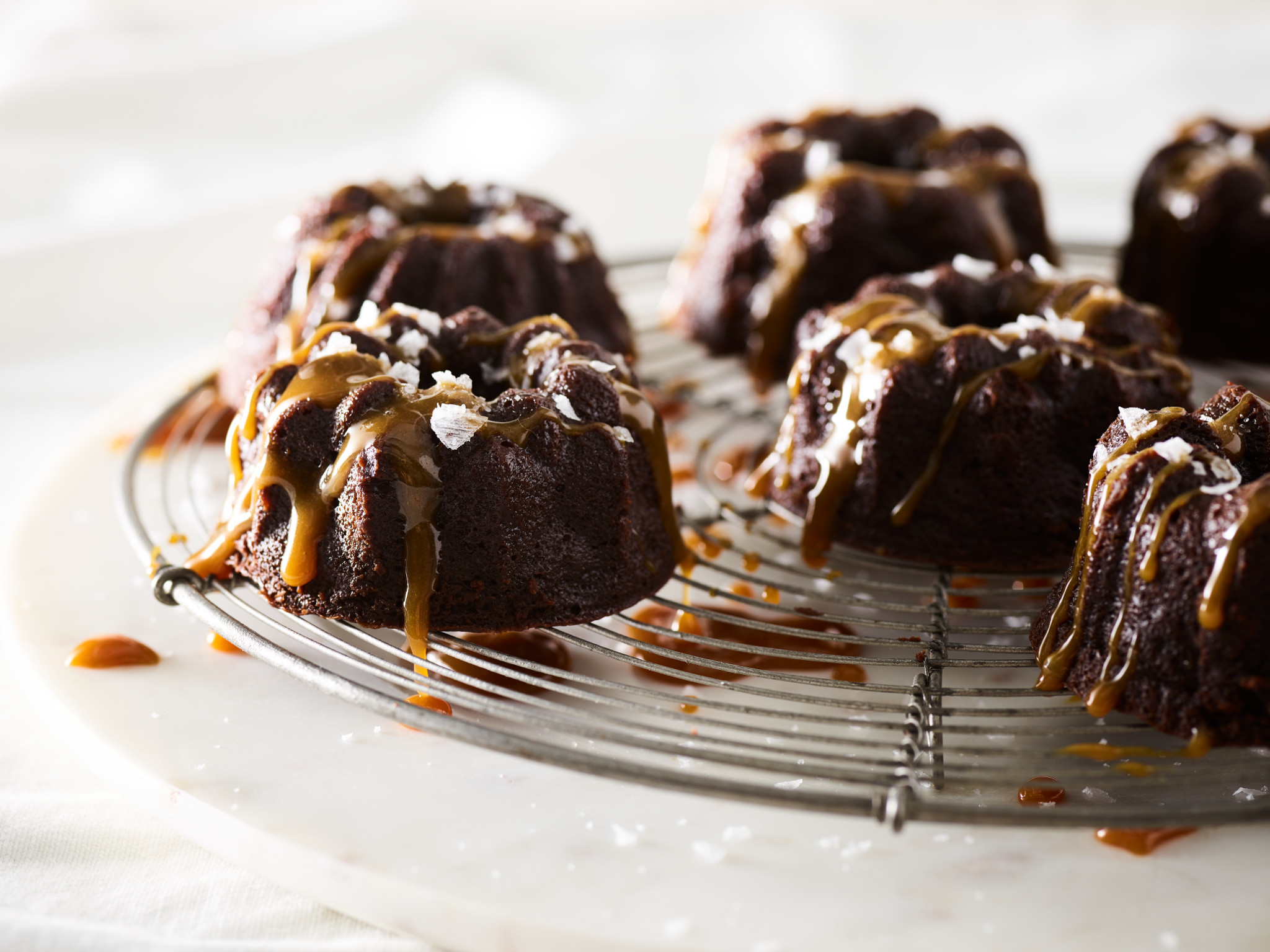
These rich tortes highlight the unique depth beef tallow brings to baking. Chocolate and bourbon caramel come together for a rich, crowd-pleasing treat.
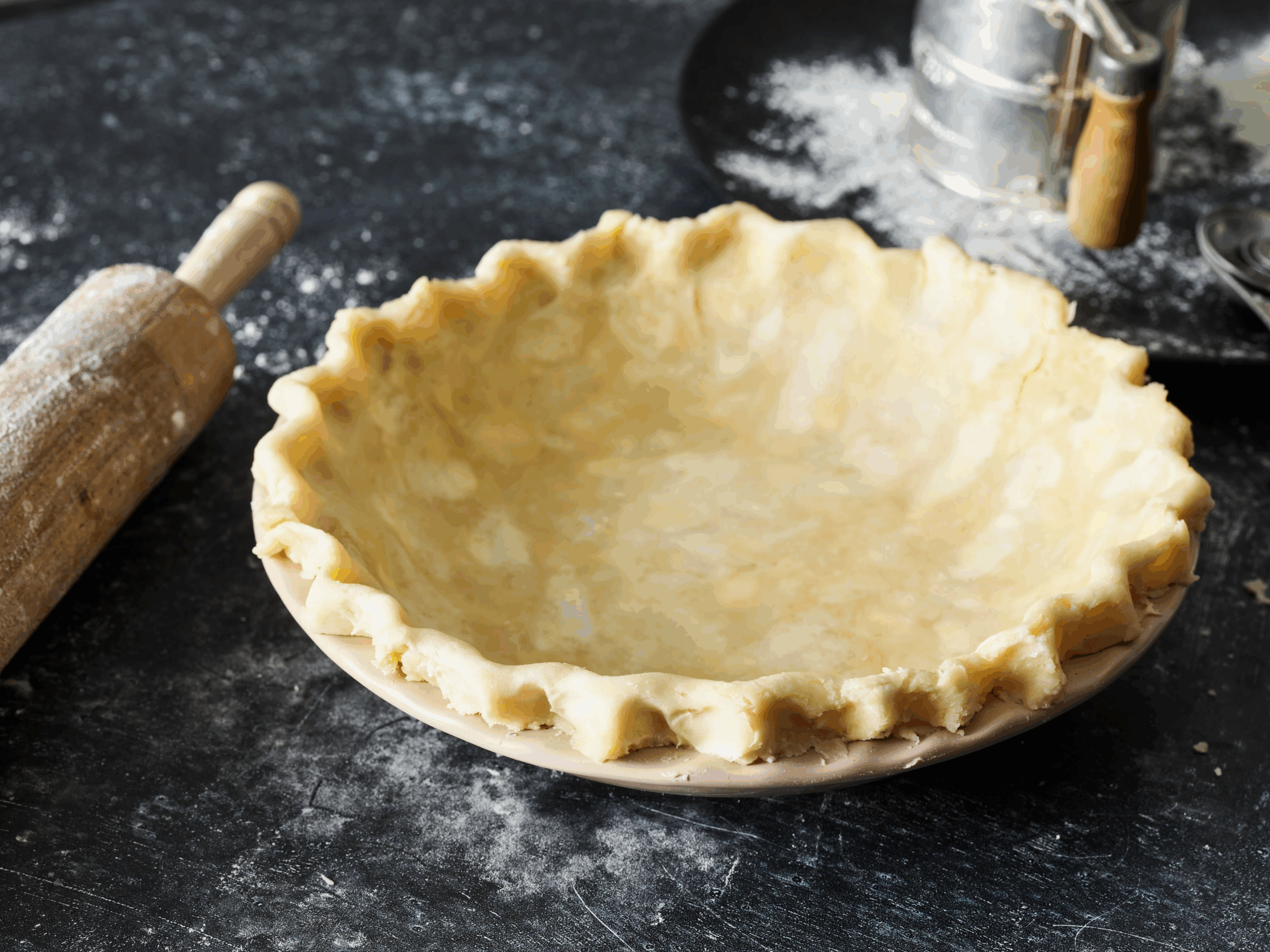
Discover the secret to flaky pie crusts that will elevate your baking! Beef tallow, a classic fat making a remarkable comeback, creates pastry with unmatched texture and flavor. It produces crusts that are both tender and sturdy—ideal for sweet or savory pies. Plus, beef tallow offers beneficial nutrients!


