
Understanding Beef Quality Grades
Meat grading is administered by the United States Department of Agriculture – Agricultural Marketing Service (USDA-AMS). Beef quality grades indicate palatability characteristics such as tenderness, juiciness and flavor. Unlike inspection, grading is optional and paid for by meat processors.
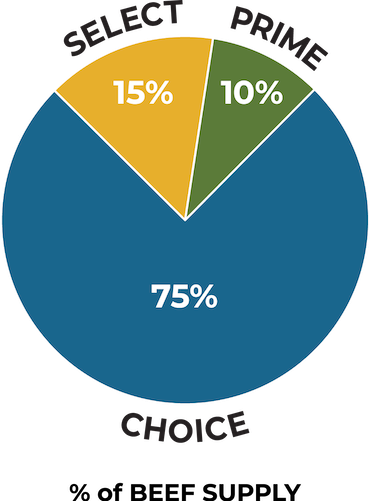
There are eight quality grades for beef however, only three grades are identified and sold to restaurants and at retail (Prime, Choice, and Select). As a result of improved genetic selection and producer management practices, USDA Quality Grades have improved tremendously, with the percentage of carcasses grading Prime doubling in the last 10 years.
Understanding the Differences, Grading vs. Inspection
All meat that is sold commercially must, by law, pass food safety inspection. United States Department of Agriculture – Food Safety Inspection Service (USDA-FSIS) oversees federal inspection. Meat processing facilities follow rigorous state and federal food safety standards to ensure only safe, high-quality meat enters the food supply. Meat products are among the most highly regulated and supervised products in the food supply.
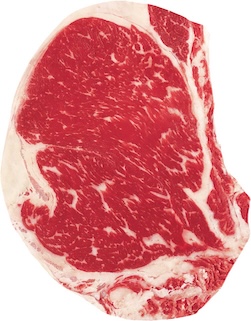
Prime beef is produced from young cattle with the most marbling.
Choice beef is high quality and produced in the highest quantity, but has less marbling than prime.
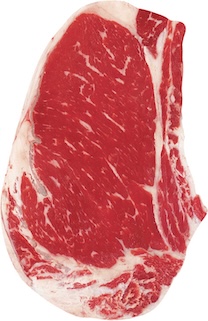

Select beef is slightly leaner than Prime and Choice because it has less marbling. It can lack some tenderness, flavor and juiciness as compared to the higher grades and may benefit from slow-cooking or from marination prior to grilling or broiling.
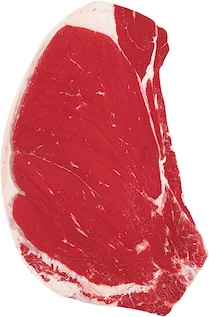
What is Marbling?
.
Factors in Determining a
Quality Grade
No Roll
.
Supporting Materials
PDF BROCHURE
Understanding Marbling Poster
Learn more about what marbling is and how it impacts USDA Quality Grades.
PDF BROCHURE
Understanding Marbling Handout
Learn more about what marbling is and how it impacts USDA Quality Grades.